
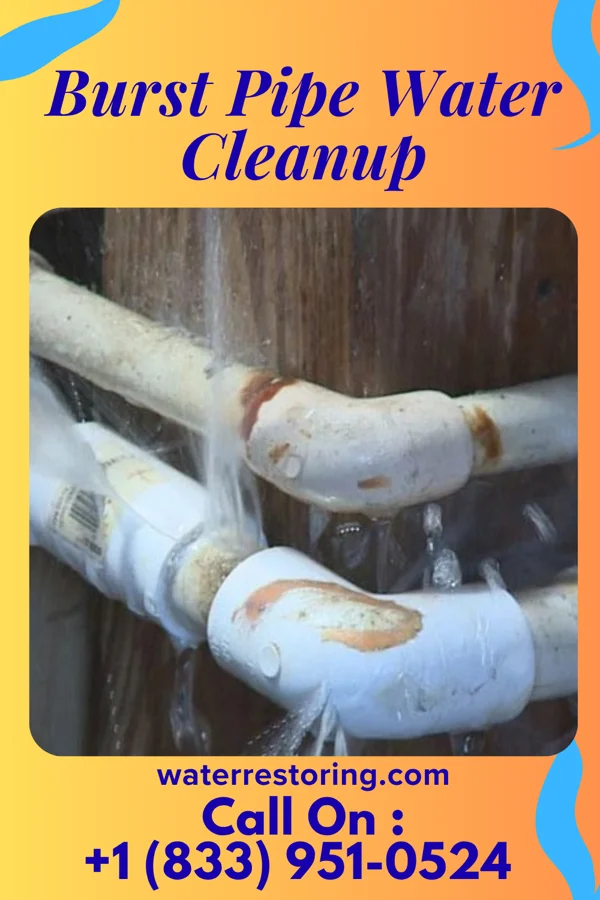
Hidden Burst Pipes in Wolford
Property owners across Wolford call certified water damage restoration when Wolford, North Dakota experiences extreme temperature fluctuations, especially during the winter months, which can cause pipes to expand and contract, increasing the risk of bursting. Additionally, the rural nature of the area means that many homes are older and may have outdated plumbing systems that are more prone to failure during harsh weather conditions.. A close second is The area's remote location and limited access to emergency services can delay response times, exacerbating damage from burst pipes. Furthermore, the presence of frozen ground and permafrost in the region can lead to soil movement, putting additional stress on underground pipes and increasing the likelihood of bursts..
Wolford's climate, characterized by cold winters and warm summers, plays a significant role in pipe integrity. The frequent freeze-thaw cycles can weaken pipes over time, making them more susceptible to bursts. Homeowners in this area must be particularly vigilant during the transition periods between seasons.
Wolford's climate, characterized by cold winters and warm summers, plays a significant role in pipe integrity. The frequent freeze-thaw cycles can weaken pipes over time, making them more susceptible to bursts. Homeowners in this area must be particularly vigilant during the transition periods between seasons. The dominant local driver is Wolford, North Dakota experiences extreme temperature fluctuations, especially during the winter months, which can cause pipes to expand and contract, increasing the risk of bursting. Additionally, the rural nature of the area means that many homes are older and may have outdated plumbing systems that are more prone to failure during harsh weather conditions., with The area's remote location and limited access to emergency services can delay response times, exacerbating damage from burst pipes. Furthermore, the presence of frozen ground and permafrost in the region can lead to soil movement, putting additional stress on underground pipes and increasing the likelihood of bursts. showing up as the next most common cause. Damage builds in stages. Spread. Absorption. Microbial growth. Structural compromise. Every stage you pass through adds to the final bill.